
No. Dogs must never eat xylitol. It is a sugar substitute commonly used in sugar free foods and even very small amounts can cause a dangerous drop in blood sugar and severe liver damage in dogs. Immediate veterinary care is required if a dog consumes it.
Last updated:
March 20, 2026
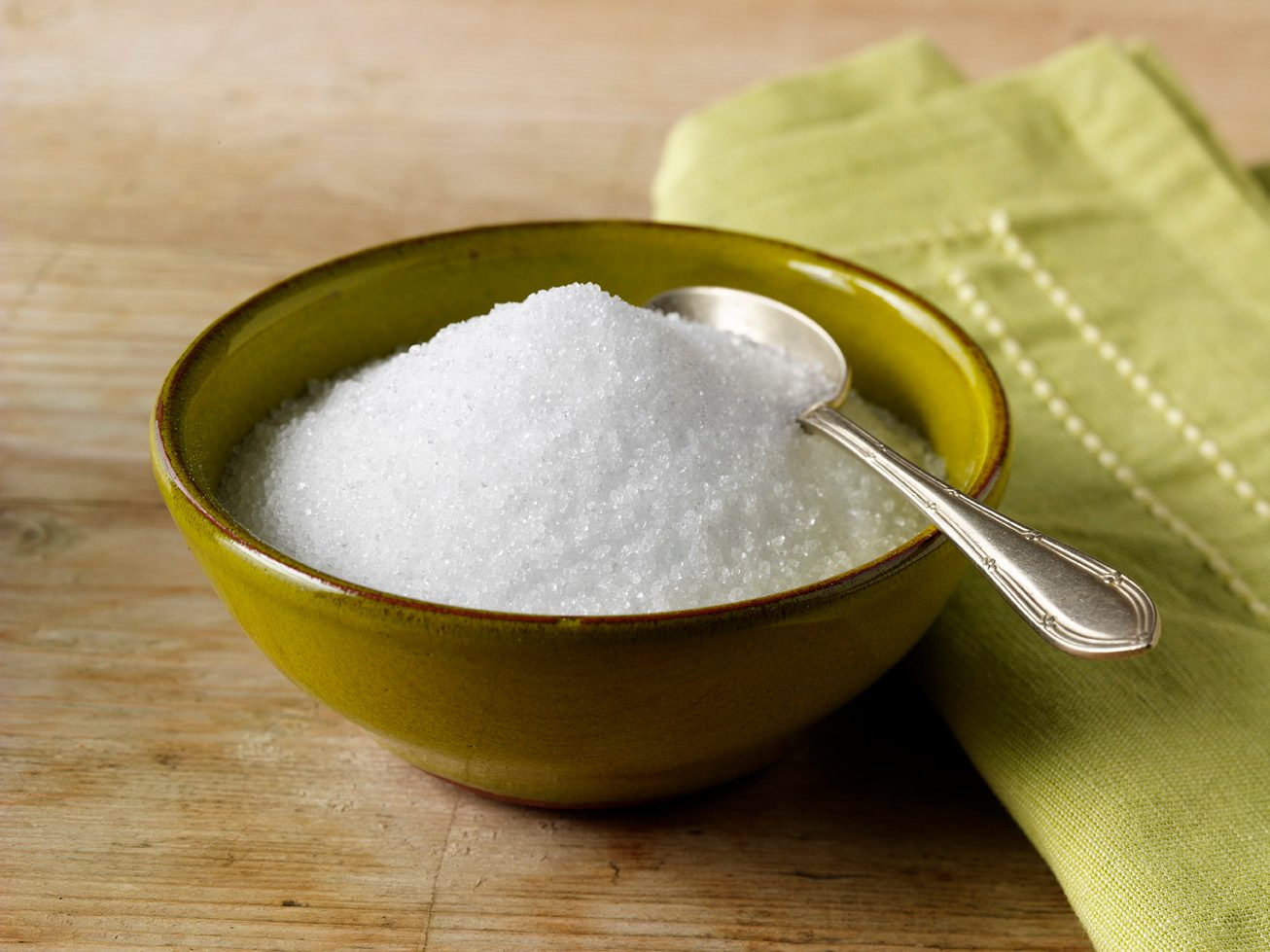
Xylitol is extremely toxic to dogs even in very small quantities. Many everyday products contain xylitol including sugar free gum mints toothpaste baked goods and some brands of peanut butter. Dogs can become seriously ill after ingesting a tiny amount so it is important for owners to read labels carefully and keep these products safely stored. If a dog may have eaten something containing xylitol immediate veterinary attention is critical.
Important: We do our best to ensure the information on this page is accurate and based on reputable animal health sources. However, this website is intended for general informational purposes only and the content has not been individually reviewed or approved by a veterinarian.
Every dog is different and reactions to foods can vary. If you have concerns about your dog’s diet or health, it is always best to speak with a qualified veterinarian.
If you believe any information on this page is incorrect or outdated, please let us know via our Contact Us page so we can review and update it.
Here are answers to some of common questions that dog owners ask about this food's safety and nutrition
Dogs must never eat xylitol. This sweetener is extremely toxic to dogs and even tiny amounts can cause a dangerous drop in blood sugar followed by possible liver failure. Because it is commonly found in sugar free gum sweets baked goods and some peanut butters owners should always check labels carefully. If a dog consumes anything containing xylitol it is considered a veterinary emergency and immediate treatment is required.

There is no safe amount of xylitol for dogs. Toxic effects have been reported after extremely small exposures and the risk increases with larger amounts. Because the ingredient can be present in common foods such as sugar free gum or toothpaste owners should assume any exposure is dangerous. Veterinary care should be sought immediately if a dog may have ingested a product that contains xylitol.
If a dog eats something containing xylitol it should be treated as an emergency. Contact a veterinarian or emergency animal hospital immediately and provide information about the product and the amount that may have been consumed. Do not wait for symptoms to appear because hypoglycaemia can develop quickly. Early veterinary treatment significantly improves the chances of recovery.
Puppies are particularly vulnerable to xylitol poisoning because of their small body size and curiosity around food and household items. Even a tiny piece of sugar free gum or a small amount of a product containing xylitol can lead to severe hypoglycaemia. Puppy owners should store sugar free products securely and check ingredient labels carefully. If a puppy ingests anything containing xylitol immediate veterinary treatment is essential.
Small dogs face an especially high risk from xylitol exposure because toxic doses are related to body weight. A very small quantity that might seem insignificant can cause severe hypoglycaemia in a small breed dog. Owners should be extremely cautious about leaving sugar free foods or gum within reach. If ingestion is suspected veterinary care should be sought immediately because early treatment greatly improves the chance of recovery.
Senior dogs may be more vulnerable to complications from xylitol poisoning particularly if they have underlying liver disease or other health issues. The toxin can cause rapid hypoglycaemia followed by potential liver damage which older dogs may struggle to recover from. Owners should be vigilant about keeping sugar free foods and products safely stored. Immediate veterinary attention is essential if a senior dog consumes any product containing xylitol.
For overweight dogs xylitol sometimes appears in reduced sugar foods intended for human diets. Despite being marketed as a healthier sweetener for people it is extremely dangerous for dogs. Weight management products such as sugar free peanut butter protein bars or desserts may contain this ingredient. Owners should always read labels and avoid sharing these foods with dogs because even small exposures can lead to severe illness.
Xylitol causes a rapid and powerful release of insulin in dogs. This sudden insulin spike leads to a dangerous drop in blood sugar known as hypoglycaemia which can occur within 30 to 60 minutes after ingestion. In some cases xylitol also damages liver cells and can lead to acute liver failure. Dogs are far more sensitive to this substance than humans which is why foods safe for people can be life threatening to pets.
