
Yes, dogs can eat honey in small amounts. Honey is not toxic to dogs and contains trace nutrients and natural sugars. Important warning: because it is very high in sugar it should only be given occasionally and avoided in large quantities.
Last updated:
March 21, 2026
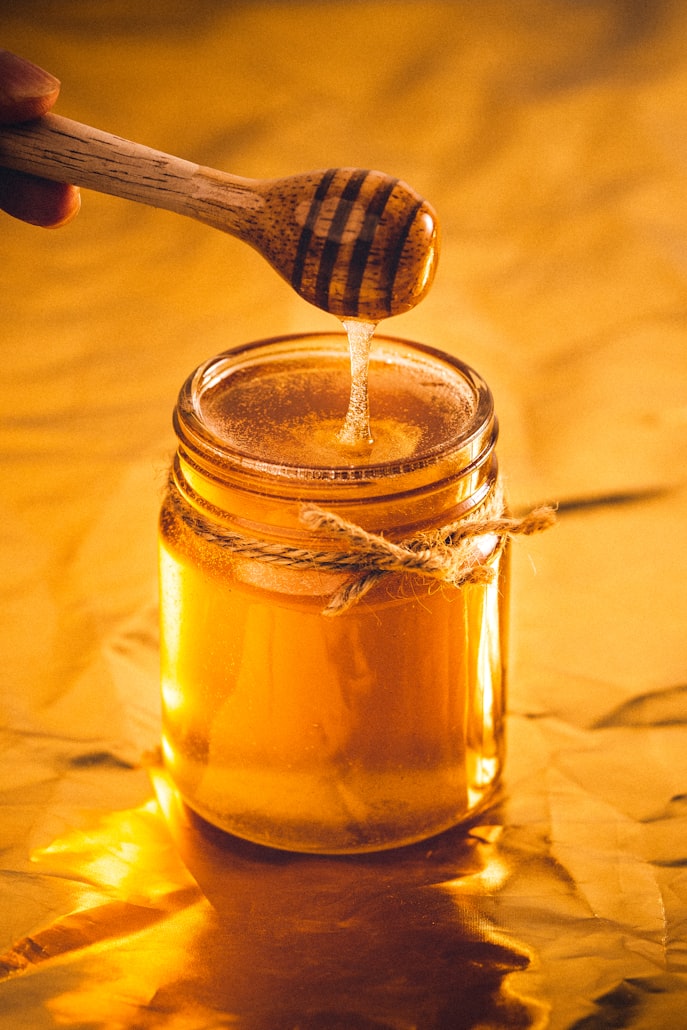
Honey is safe for most healthy adult dogs when given in very small amounts. It is very high in natural sugars and should only be used occasionally. Dogs that are overweight, diabetic, or prone to digestive upset should generally avoid sugary foods like honey. Always check ingredient lists on flavoured honey products because some may contain additives, like xylitol, that are not suitable (even toxic) for dogs.
Important: We do our best to ensure the information on this page is accurate and based on reputable animal health sources. However, this website is intended for general informational purposes only and the content has not been individually reviewed or approved by a veterinarian.
Every dog is different and reactions to foods can vary. If you have concerns about your dog’s diet or health, it is always best to speak with a qualified veterinarian.
If you believe any information on this page is incorrect or outdated, please let us know via our Contact Us page so we can review and update it.
Here are answers to some of common questions that dog owners ask about this food's safety and nutrition
Dogs should not eat honey every day because it is very high in natural sugar and calories. While small amounts are generally safe for healthy adult dogs, frequent servings can contribute to weight gain or digestive upset over time. Honey is best treated as an occasional treat rather than a daily addition to your dog’s diet.

Most dogs should only have a very small amount of honey at a time. A tiny lick or up to about half a teaspoon for a medium sized dog is usually enough. Larger dogs may tolerate slightly more, but because honey is so sugary it should only be offered occasionally. Keeping portions small helps avoid unnecessary calories and stomach upset.
If your dog eats too much honey they may develop mild digestive upset such as vomiting or diarrhoea due to the high sugar content. Provide plenty of fresh water and monitor them for signs of stomach discomfort. Most mild cases resolve on their own. If symptoms are severe, last longer than a day, or your dog has a health condition such as diabetes, it is best to contact your veterinarian for advice.
Puppies should generally not be fed honey, especially very young puppies. Raw honey can contain tiny amounts of natural bacteria spores that an immature immune system may struggle to handle. While healthy adult dogs usually tolerate honey well, puppies are better kept on a balanced puppy diet without sugary extras. If you choose to offer a taste once your puppy is older, keep the amount extremely small and only offer it occasionally.
Small dogs require much less sugar and calories than larger breeds, so even tiny amounts of honey can add up quickly. Too much sugar may cause stomach upset or contribute to weight gain over time. If you want to give honey as an occasional treat, keep the portion very small and avoid doing it frequently. It is usually best offered as part of a homemade treat rather than as a direct spoonful.
Senior dogs can sometimes benefit from easily digestible foods, but sugary treats like honey should still be limited. Older dogs may be less active and therefore more prone to weight gain if extra sugar is added to their diet. If your senior dog enjoys honey, offer only very small amounts on rare occasions and focus mainly on balanced nutrition from their regular dog food.
Honey is high in natural sugars and calories, which can work against weight management goals for overweight dogs. Even small servings add extra calories that do not provide much nutritional value. If your dog needs to lose weight it is better to avoid honey and choose low calorie treats such as small portions of dog safe vegetables. Consistent portion control is much more helpful for healthy weight loss.
