
No, raisins are highly toxic to dogs and can cause sudden kidney failure even in small amounts, Never feed raisins or foods that contain them because even a few can lead to serious illness
Last updated:
March 20, 2026
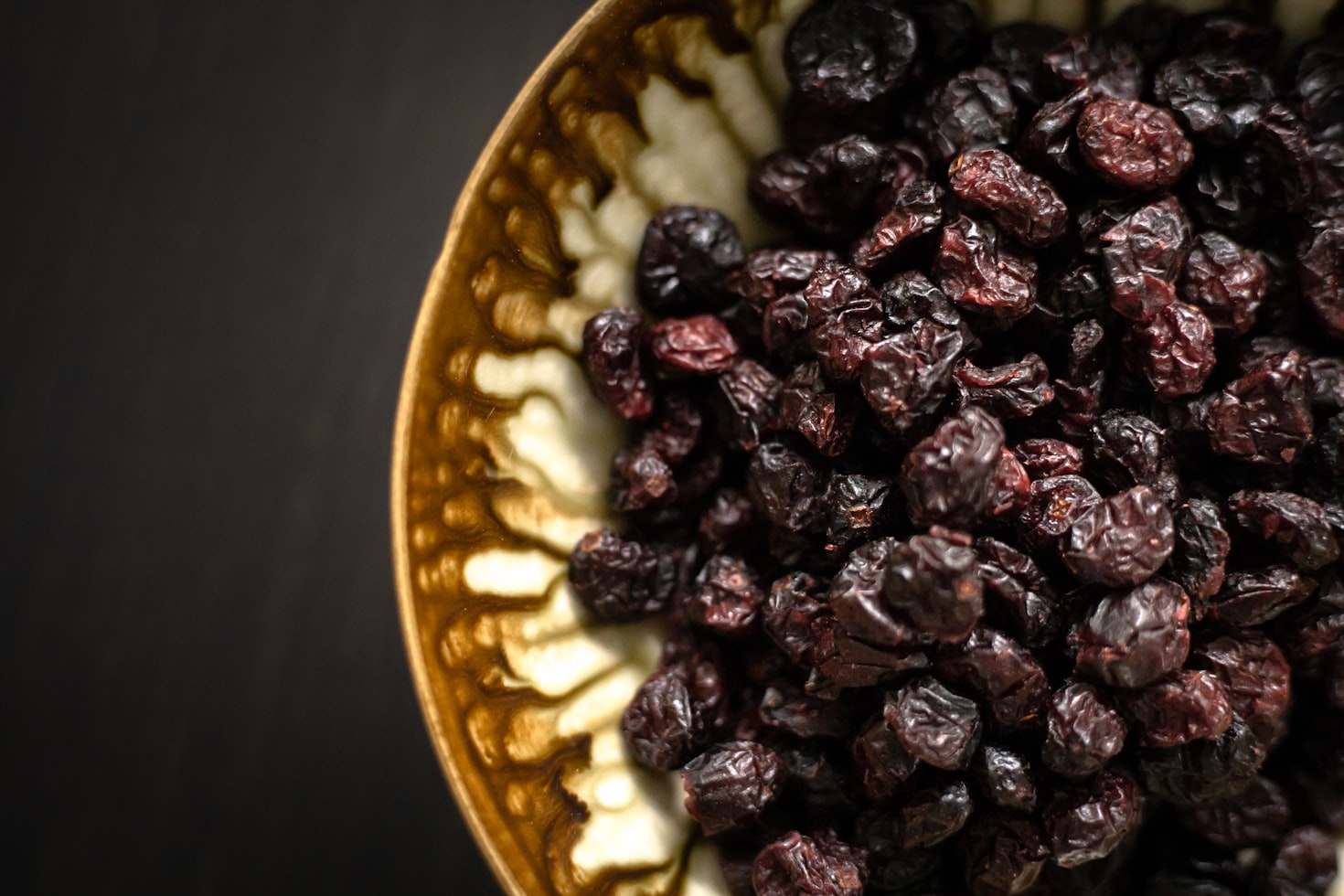
Raisins and grapes are well known to cause severe poisoning in dogs. Even a small number can trigger acute kidney failure. Some dogs develop symptoms after eating only a few raisins while others become ill after larger amounts, so there is no safe dose. Raisins are commonly found in baked goods and snack foods so accidental exposure is possible. If a dog eats raisins or food containing them, contact a veterinarian immediately because early treatment greatly improves the outcome
Important: We do our best to ensure the information on this page is accurate and based on reputable animal health sources. However, this website is intended for general informational purposes only and the content has not been individually reviewed or approved by a veterinarian.
Every dog is different and reactions to foods can vary. If you have concerns about your dog’s diet or health, it is always best to speak with a qualified veterinarian.
If you believe any information on this page is incorrect or outdated, please let us know via our Contact Us page so we can review and update it.
Here are answers to some of common questions that dog owners ask about this food's safety and nutrition
No, dogs should never eat raisins at any time. Raisins are toxic and have been linked to sudden kidney failure in dogs even when only a small amount is eaten. Because the toxic dose varies between dogs and cannot be predicted, veterinarians advise complete avoidance of raisins and foods that contain them

Dogs should not eat any amount of raisins because there is no known safe serving size. Even a few raisins have caused serious poisoning in some dogs. If a dog consumes raisins or food that contains them, it is best to contact a veterinarian right away rather than waiting to see if symptoms appear
If your dog eats raisins, contact a veterinarian or emergency animal hospital immediately. Do not wait for symptoms because early treatment can greatly reduce the risk of kidney damage. Your vet may recommend inducing vomiting, monitoring kidney function, and providing supportive care such as intravenous fluids to help protect the kidneys
Puppies are extremely vulnerable to raisin poisoning because of their small body size and developing organs. Even one or two raisins can cause serious illness in a young dog. Puppies are also curious and more likely to pick up dropped food from the floor. Keep foods such as trail mix, baked goods, and cereals that contain raisins well out of reach. If a puppy eats a raisin, contact a veterinarian immediately for advice and monitoring
Small dogs face a higher risk of severe poisoning from raisins because their bodies cannot tolerate even tiny quantities. A single raisin may contain enough toxin to trigger vomiting and kidney damage in a small breed. Owners should be particularly careful with snacks such as muesli bars, fruit cakes, and hot cross buns that may contain hidden raisins. Immediate veterinary attention is recommended if a small dog eats any amount
Senior dogs may have reduced kidney function already, which makes raisin poisoning even more dangerous. The toxic compounds in raisins can rapidly damage the kidneys and worsen any existing health problems. Older dogs may also take longer to recover from dehydration or toxin exposure. Because of this increased risk, it is important to prevent access to raisins completely and seek urgent veterinary care if accidental ingestion occurs
Overweight dogs are sometimes given human snack foods more often, which can increase the risk of accidental raisin exposure. Raisins are also very calorie dense and offer no nutritional benefit for dogs. More importantly they are toxic and can lead to kidney failure. Dogs on weight management plans should never be given raisins or foods that contain them. Safer low calorie treats such as small pieces of carrot or apple are better alternatives
Raisins and grapes contain an unidentified toxic compound that can cause sudden kidney failure in dogs. Research from veterinary toxicology centres has shown that even small amounts can damage the kidneys and lead to life threatening illness. Not every dog reacts the same way but because the toxic dose is unpredictable, veterinarians treat any ingestion as a medical emergency. Rapid veterinary care is essential to help prevent permanent kidney damage
