
Yes dogs can eat plain instant noodles in small amounts. The noodles themselves are not toxic. However, the flavour sachets are very high in salt and additives and should never be given to dogs.
Last updated:
March 31, 2026
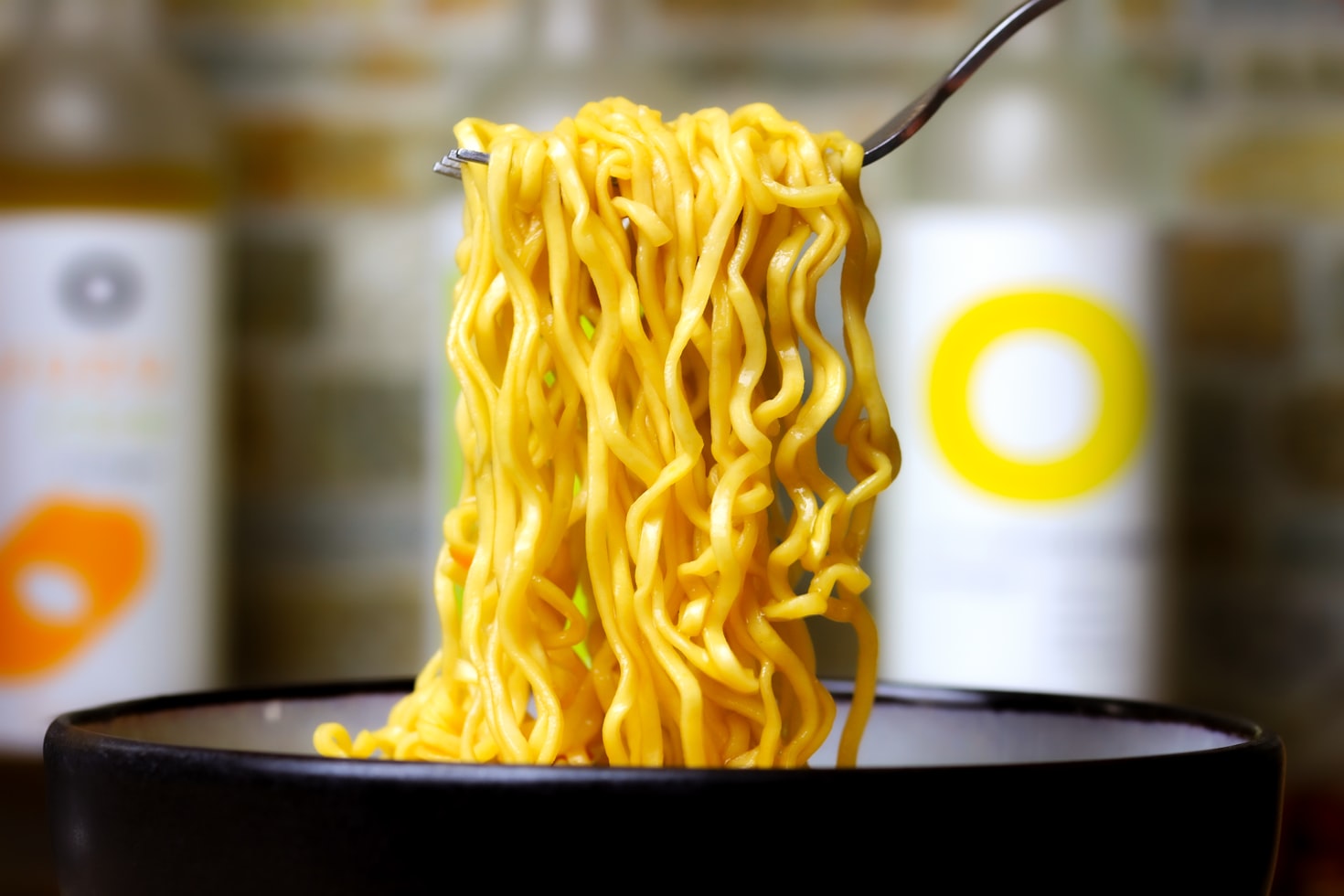
Never feed instant noodles (or cup noodles) with flavour packets as they often contain excessive sodium, onion powder, garlic powder, and artificial additives. These ingredients can upset digestion and may be harmful in larger amounts. Avoid oily sachets which increase fat content. Instant noodles should not replace balanced dog food. One other consideration is that dry noodle blocks can swell in the stomach. So always cook thoroughly before offering.
Important: We do our best to ensure the information on this page is accurate and based on reputable animal health sources. However, this website is intended for general informational purposes only and the content has not been individually reviewed or approved by a veterinarian.
Every dog is different and reactions to foods can vary. If you have concerns about your dog’s diet or health, it is always best to speak with a qualified veterinarian.
If you believe any information on this page is incorrect or outdated, please let us know via our Contact Us page so we can review and update it.
Here are answers to some of common questions that dog owners ask about this food's safety and nutrition
Dogs should not eat instant noodles every day. They lack essential nutrients and are typically high in sodium even when rinsed. Regular feeding could lead to weight gain and may encourage a preference for processed foods over balanced meals. If you share noodles occasionally keep them plain and consider it a small treat rather than part of the routine.

The amount depends on your dogs size and overall diet. Most dogs should only have a few teaspoons to a couple of tablespoons of plain cooked noodles. Because instant noodles are compact in calories small portions are important. Avoid giving a full packet even to large dogs as this may exceed appropriate sodium and calorie levels.
If your dog eats too many instant noodles watch for vomiting thirst or diarrhoea. Provide fresh water and return to their usual food at the next meal. If the noodles contained seasoning especially onion or garlic powder contact your veterinarian for advice. Seek urgent care if your dog appears lethargic excessively thirsty or shows signs of abdominal pain.
Puppies have sensitive digestive systems and high sodium foods like instant noodles are not ideal. Even plain cooked noodles provide mainly carbohydrates and little protein or essential nutrients needed for growth. If offered at all keep the portion extremely small and mix with regular puppy food. Avoid introducing processed foods early as puppies can develop a preference for salty flavours which makes transitioning back to balanced meals harder later on.
Small dogs are more affected by salt and fat due to their body size. Even a small portion of seasoned noodles could provide a large proportion of their daily sodium allowance. If sharing plain noodles keep the serving minimal and ensure they are well cooled and chopped. Because toy breeds sometimes gulp food quickly shorter pieces help reduce choking risk. Fresh water should always be available after feeding.
Senior dogs may have underlying kidney or heart conditions where excess sodium is problematic. Instant noodles are therefore not a good regular option. If offered occasionally choose plain cooked noodles without seasoning and keep portions modest. Softer noodles may be easier for dogs with dental wear but they should not displace nutrient dense foods. Some older dogs also gain weight easily so carbohydrate heavy extras should be limited.
For overweight dogs instant noodles are generally not recommended. They are calorie dense and low in fibre which means they do not provide much satiety. Even a small portion can add unnecessary energy to the diet. If you want to bulk out a meal for a dog trying to lose weight vegetables such as steamed pumpkin or green beans are a better alternative. Noodles should only be a rare taste rather than a regular addition.
