
Yes dogs can eat plain cup noodles in very small amounts. The noodles themselves are not toxic. The seasoning powder and oily broth contain high salt and additives which should never be given to dogs.
Last updated:
March 31, 2026
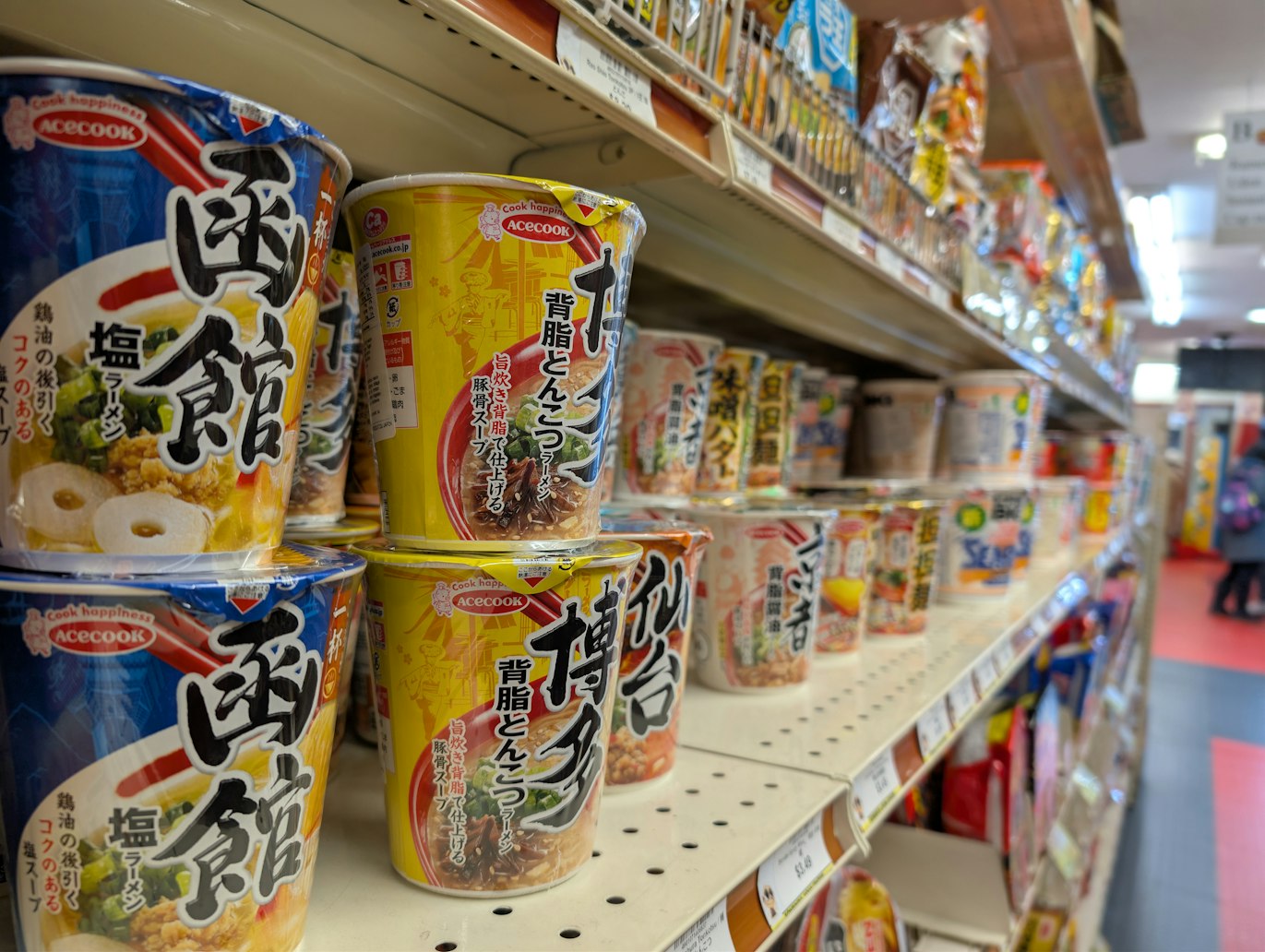
Cup noodles (like instant noodles) often contain extremely high sodium levels and flavour enhancers. Never feed the broth as dogs can easily consume excessive salt. Some varieties include onion or garlic powder which may contribute to red blood cell damage over time. The packaging also encourages eating the entire cup which is far too much for most dogs. A practical tip is to rinse the cooked noodles briefly under warm water to remove surface salt before serving.
Important: We do our best to ensure the information on this page is accurate and based on reputable animal health sources. However, this website is intended for general informational purposes only and the content has not been individually reviewed or approved by a veterinarian.
Every dog is different and reactions to foods can vary. If you have concerns about your dog’s diet or health, it is always best to speak with a qualified veterinarian.
If you believe any information on this page is incorrect or outdated, please let us know via our Contact Us page so we can review and update it.
Here are answers to some of common questions that dog owners ask about this food's safety and nutrition
Dogs should not eat cup noodles every day. They are highly processed and typically contain too much sodium even if the broth is removed. Frequent feeding could contribute to weight gain and may affect hydration. It is better treated as a rare taste rather than part of a regular diet. Balanced dog food should remain the primary source of nutrition.

The amount depends on the dogs size but most should only have a teaspoon to a few tablespoons of plain noodles. Never give the full cup. Even large dogs should receive only a small portion without broth. Because sodium content varies widely between brands smaller portions are always safer.
If your dog eats too many cup noodles offer water and monitor for vomiting diarrhoea or excessive thirst. Salt heavy broth increases the risk of dehydration. Contact your veterinarian if symptoms persist or if the product contained onion or garlic seasoning. Seek urgent care if your dog becomes lethargic weak or shows signs of abdominal discomfort.
Puppies should generally avoid cup noodles. Their developing bodies require nutrient dense meals and processed foods high in salt can upset their delicate digestion. Even plain noodles provide mainly carbohydrates and may displace balanced puppy food. If a small taste is offered ensure it is plain and well cooled. Introducing salty human foods early can create preferences that make it harder to maintain a structured feeding routine as they grow.
Small dogs are particularly sensitive to sodium intake. A few bites of seasoned cup noodles could exceed their daily salt needs. Keep portions tiny and only offer plain noodles with no broth. Because smaller breeds can be prone to dental crowding the soft texture may be appealing but it should not replace proper food. Provide fresh water afterwards as even plain noodles can encourage thirst.
Senior dogs may have conditions such as kidney disease or heart issues where sodium restriction is important. Cup noodles are therefore not a suitable regular treat. If shared occasionally remove broth completely and keep servings minimal. The soft texture can help dogs with dental wear but the low nutrient density means it should not replace balanced meals. Some older dogs also retain fluid more easily so salty foods are best avoided.
For overweight dogs cup noodles add unnecessary calories without providing fibre or protein for satiety. Even small amounts can contribute to excess energy intake. If you want to offer a warm topper during colder weather consider low calorie vegetables instead. Cup noodles should be avoided where possible for dogs on weight management plans. Their refined carbohydrates can also lead to quick hunger returning soon after eating.
