
Yes. Plain turkey mince is safe for dogs when cooked and served without seasoning. It provides lean protein but too much can upset digestion or add excess calories. Avoid onion, garlic, salt, and fatty skin.
Last updated:
March 31, 2026
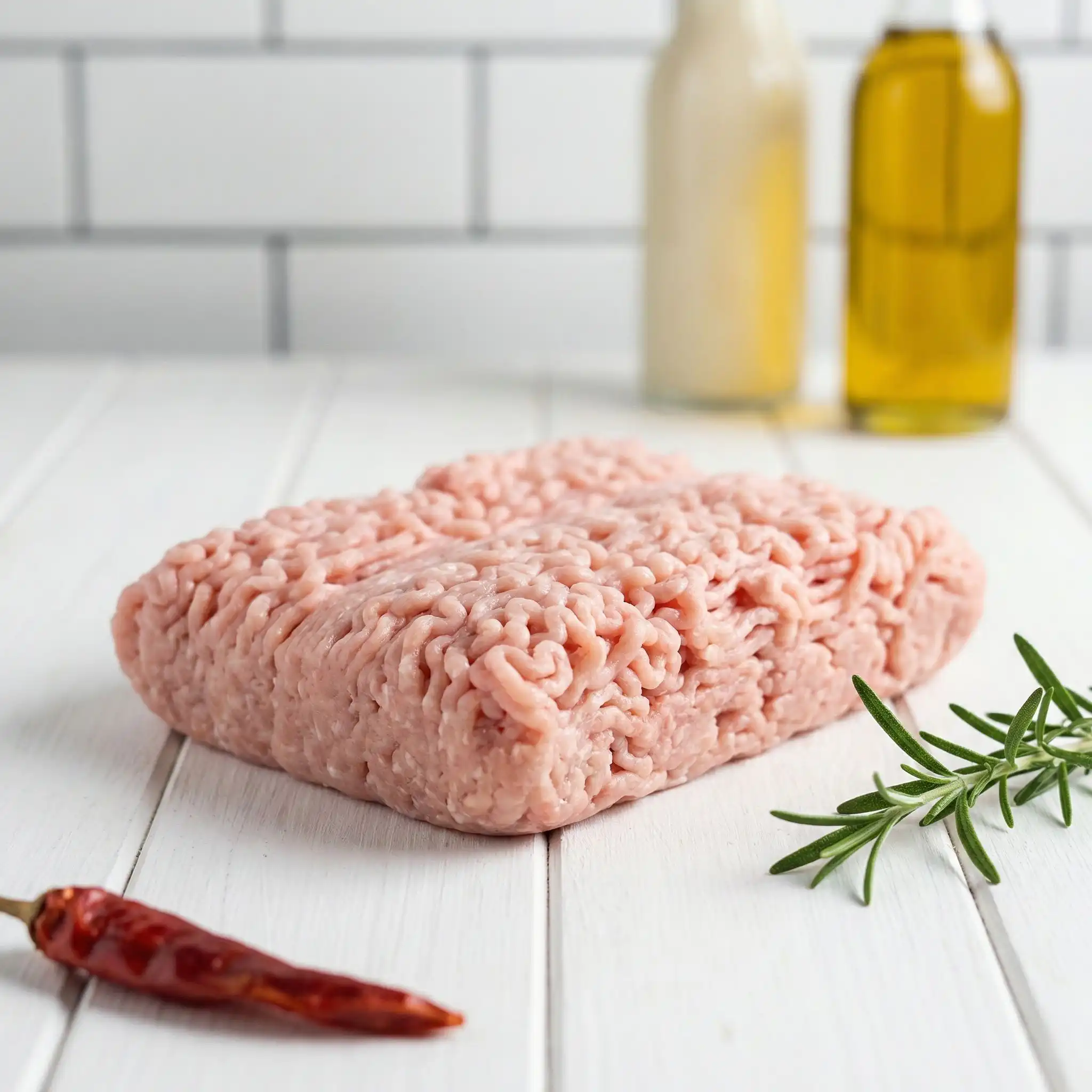
Choose lean mince where possible as some supermarket varieties contain skin and added fat. Always cook fully to reduce bacterial risk. Do not feed raw turkey mince due to potential pathogens. Check ingredient labels on pre packaged mince as some blends include herbs or seasonings like onion and garlic. If using as part of a homemade diet, balance with fibre and calcium sources. A spoon of turkey mince can also be useful for hiding medication.
Important: We do our best to ensure the information on this page is accurate and based on reputable animal health sources. However, this website is intended for general informational purposes only and the content has not been individually reviewed or approved by a veterinarian.
Every dog is different and reactions to foods can vary. If you have concerns about your dog’s diet or health, it is always best to speak with a qualified veterinarian.
If you believe any information on this page is incorrect or outdated, please let us know via our Contact Us page so we can review and update it.
Here are answers to some of common questions that dog owners ask about this food's safety and nutrition
Dogs can eat turkey mince every day only if it forms part of a balanced diet and portions are controlled. On its own it lacks essential nutrients such as calcium and fibre. Most owners use it as a topper or occasional protein boost. Feeding small daily amounts mixed with complete dog food is usually acceptable, but relying solely on turkey mince long term may create nutritional gaps.

The right amount of turkey mince depends on your dog’s size, activity level, and overall diet. As a general guide, it should make up no more than ten percent of daily calories. Start with a teaspoon for small dogs and a few tablespoons for larger breeds. If stools become soft or weight increases, reduce the portion and serve less frequently.
If your dog eats too much turkey mince, watch for vomiting, loose stools, or signs of abdominal discomfort. Most mild cases settle with a return to their normal food at the next meal. Provide fresh water and avoid giving more rich foods that day. Contact your vet if symptoms persist, especially if the mince was fatty or seasoned.
Puppies can eat small amounts of cooked turkey mince as an occasional protein addition, but it should not replace a complete puppy diet. Their growth needs are very specific and plain mince lacks calcium balance. Finely crumble the cooked meat to avoid choking and introduce gradually. Many owners use turkey mince during training because of its aroma, but portion control is important to prevent loose stools in young dogs.
Small dogs often tolerate turkey mince well because it is softer and easier to chew than chunks of meat. However, calorie intake climbs quickly in little breeds, so keep portions modest. Choose extra lean mince and drain fat thoroughly. Mixing a teaspoon through regular food works better than offering a separate serving. Some small dogs may gulp soft food quickly, so spreading it across kibble can slow eating.
Senior dogs can benefit from turkey mince because it is gentle on teeth and relatively easy to digest. The lean protein helps maintain muscle without the heaviness of fattier meats. Older dogs with reduced activity levels still require controlled portions. If kidney issues are present, consult a vet before increasing protein. Lightly moistening their meal with turkey mince can encourage appetite in seniors that have become picky.
For overweight dogs, turkey mince is a better option than fattier meats, but it still contains meaningful calories. Select the leanest version available and measure carefully. Mixing a small amount with steamed vegetables can stretch the portion while keeping calories lower. Avoid frying in oil. Some owners use turkey mince as a topper during weight loss programs because it improves palatability without needing large quantities.
