
Yes, dogs can eat small amounts of plain custard, but it is not ideal. Custard contains sugar and dairy which some dogs struggle to digest. Avoid flavoured or artificial versions that may include harmful additives.
Last updated:
March 22, 2026
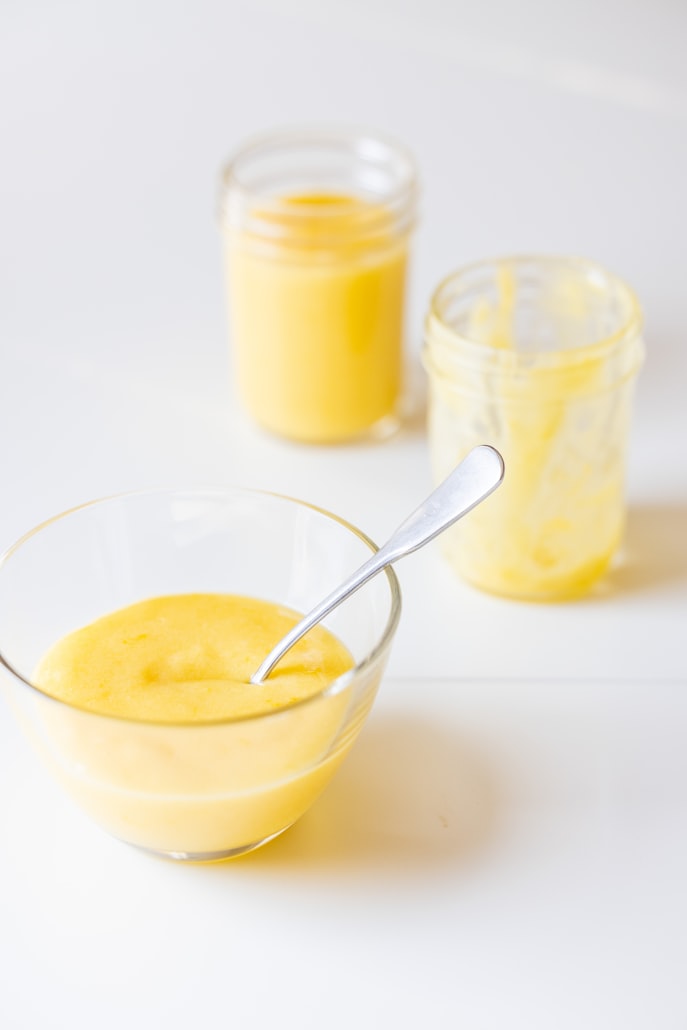
Many dogs are lactose intolerant so even small amounts can cause loose stools or gas. Custard is often high in sugar which contributes to weight gain and dental problems over time. Store bought versions may include additives or preservatives, like xylitol, that are dangerous for dogs. If making custard at home, avoid adding sugar or flavourings, like chocolate. Be aware that some custard-based desserts may also contain alcohol such as rum or liqueurs, which is unsafe for dogs. A small lick from a spoon after cooking is a more sensible approach than a full serving.
Important: We do our best to ensure the information on this page is accurate and based on reputable animal health sources. However, this website is intended for general informational purposes only and the content has not been individually reviewed or approved by a veterinarian.
Every dog is different and reactions to foods can vary. If you have concerns about your dog’s diet or health, it is always best to speak with a qualified veterinarian.
If you believe any information on this page is incorrect or outdated, please let us know via our Contact Us page so we can review and update it.
Here are answers to some of common questions that dog owners ask about this food's safety and nutrition
Dogs should not eat custard every day. While a small amount is not toxic, the sugar and dairy content make it unsuitable for regular feeding. Frequent consumption can lead to digestive upset and weight gain, so it is best kept as an occasional treat only.

The amount of custard a dog can eat depends on their size, but it should always be limited. A small lick or teaspoon is enough for most dogs, with larger dogs able to tolerate slightly more. It should only be given occasionally and not as a regular part of their diet due to its sugar and lactose content.
If your dog eats too much custard, watch for signs like diarrhoea, gas, or vomiting. These are common with lactose intolerance or high sugar intake. Ensure your dog has access to fresh water and monitor them over the next day. If symptoms are severe or persist, contact your vet for advice and avoid giving custard again.
Puppies have developing digestive systems and may struggle with dairy products like custard. The lactose and sugar content can lead to stomach upset or diarrhoea. It is best to avoid feeding custard to puppies and instead focus on nutritionally complete puppy food. If you want to offer a treat, choose simple and dog safe options such as small pieces of cooked meat or dog specific treats.
Small dogs are more sensitive to calorie dense foods, so even a spoonful of custard can be a significant addition to their daily intake. Lactose intolerance is also more noticeable in smaller breeds. If offered, it should be a tiny amount and only occasionally. Keeping treats simple and low in sugar is a better approach for maintaining their health.
Senior dogs may have reduced ability to digest lactose and often require controlled calorie intake. Custard can contribute unnecessary sugar and fat, which may worsen existing health issues such as obesity or dental problems. If given, it should be a very small amount and not a regular treat. Softer, nutrient dense foods are usually a better choice for older dogs.
Custard is not suitable for overweight dogs due to its sugar and fat content. Even small servings can slow progress in weight management and add empty calories. It is better to avoid custard altogether and choose low calorie treats such as vegetables or lean protein. Maintaining a consistent, balanced diet is key for healthy weight loss.
