
No, dogs should not eat raw yeast dough. Unbaked dough can expand in the stomach and produce alcohol as it ferments which can lead to dangerous bloating and alcohol poisoning. Even small amounts can cause a serious veterinary emergency.
Last updated:
March 22, 2026
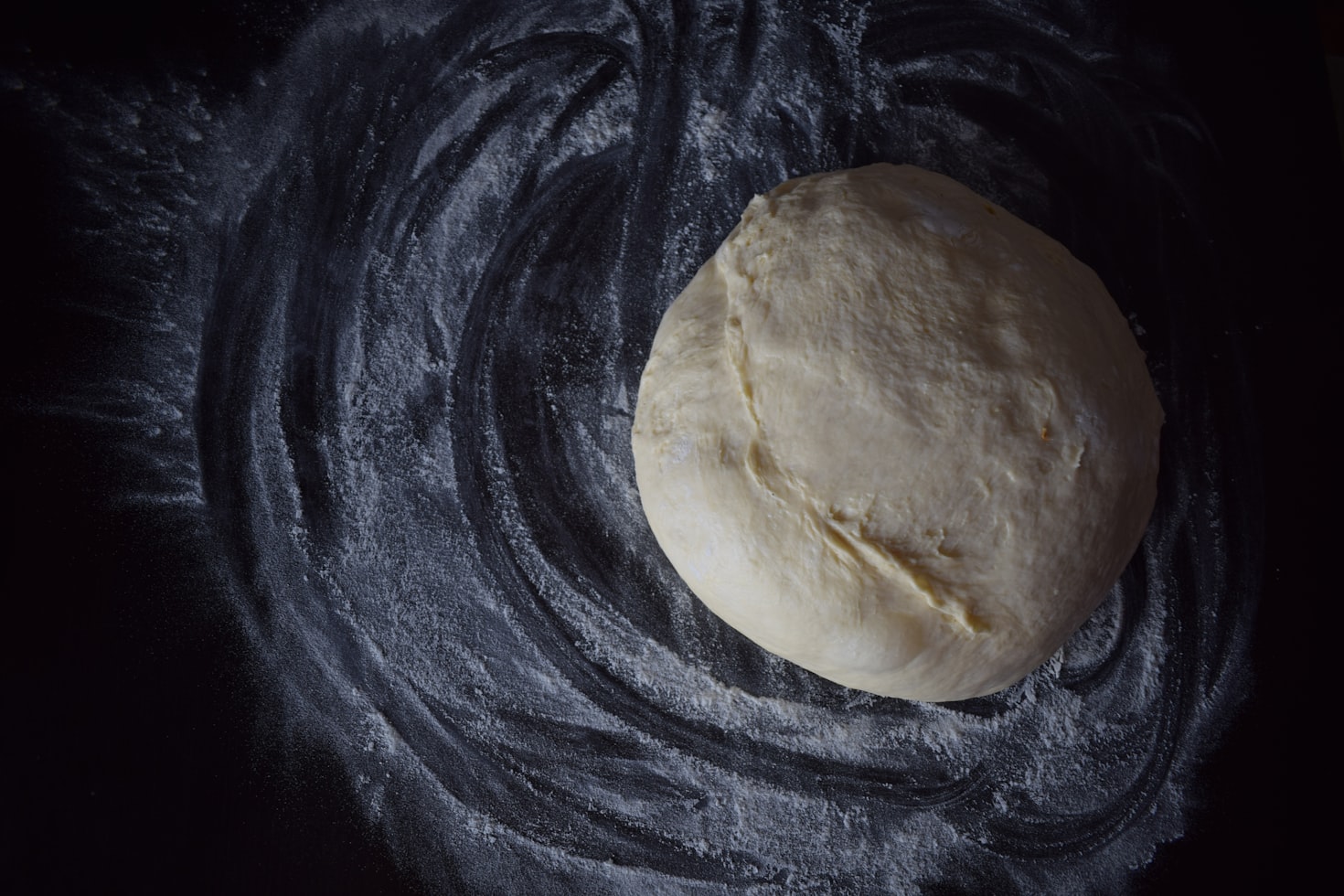
Raw yeast dough can be especially dangerous because it continues to rise and ferment after it is eaten. Dogs may be attracted to dough left on benches while it is rising for bread, pizza, or pastries. As the dough expands it can stretch the stomach and cause severe discomfort or even life threatening complications. Fermentation also produces alcohol which can quickly enter the bloodstream. Always supervise pets in the kitchen when preparing baked goods.
Important: We do our best to ensure the information on this page is accurate and based on reputable animal health sources. However, this website is intended for general informational purposes only and the content has not been individually reviewed or approved by a veterinarian.
Every dog is different and reactions to foods can vary. If you have concerns about your dog’s diet or health, it is always best to speak with a qualified veterinarian.
If you believe any information on this page is incorrect or outdated, please let us know via our Contact Us page so we can review and update it.
Here are answers to some of common questions that dog owners ask about this food's safety and nutrition
Dogs should never eat raw yeast dough at any time. The dough can expand inside the stomach and create pressure that leads to severe bloating or twisting of the stomach. At the same time the yeast ferments and produces alcohol which can be absorbed into the bloodstream. Because both expansion and alcohol poisoning are dangerous, veterinary organisations recommend keeping all raw dough completely away from dogs.

There is no safe amount of raw yeast dough that a dog can eat. Even a small portion can expand as it rises and produce alcohol during fermentation. The level of risk depends on the dog’s size and the amount consumed but poisoning and stomach expansion can occur quickly. Because of this, raw dough should always be kept out of reach whenever bread, pizza, or pastry is being prepared.
If your dog eats raw yeast dough you should contact your veterinarian immediately. The dough may continue expanding in the stomach while producing alcohol which can lead to rapid deterioration. Watch for symptoms such as abdominal swelling, vomiting, weakness, or unusual sleepiness. Early veterinary treatment is important because doctors may need to relieve stomach pressure or treat alcohol poisoning before it becomes life threatening.
Puppies are especially vulnerable to raw yeast dough because their stomach capacity is small and their bodies cannot tolerate toxins well. Even a small piece of dough can expand significantly and produce alcohol as it ferments. Curious puppies may investigate bowls of dough left rising in the kitchen and quickly swallow pieces before owners notice. Because symptoms can develop quickly, any suspected ingestion should be treated as urgent and veterinary advice should be sought immediately.
Small dog breeds are at greater risk because the expanding dough can fill a large portion of their stomach very quickly. The fermentation process may also produce enough alcohol to cause poisoning even with relatively small quantities. Small dogs are often able to reach kitchen benches or tables where dough may be left to rise. Pet owners should be careful during baking and ensure raw dough is always kept out of reach.
Senior dogs may have slower digestion and underlying health issues that make toxin exposure more serious. If raw yeast dough expands in the stomach it can cause severe discomfort and stress on the digestive system. Older dogs may also struggle to recover from alcohol poisoning compared with younger pets. Extra care should be taken when baking to ensure that rising dough, pizza dough, or bread mixtures are always stored securely away from pets.
Raw yeast dough offers no nutritional benefit and should never be given to overweight dogs. In addition to the serious toxicity risks, dough products are typically high in refined carbohydrates once baked and can contribute to excess calorie intake. For dogs already carrying extra weight, avoiding foods like bread dough and baked treats helps support healthier weight management and reduces exposure to unnecessary risks.
Raw yeast dough is toxic to dogs because it creates two major dangers inside the body. First, the dough can continue to expand as the yeast produces gas, causing the stomach to stretch and potentially twist which is a life threatening emergency. Second, the fermentation process produces ethanol alcohol which can be absorbed into the bloodstream. Alcohol poisoning can lead to breathing problems, low body temperature, seizures, and collapse. Veterinary organisations including the RSPCA list raw dough as a serious household toxin for pets.
