
Yes, dogs can eat plain soy in small amounts. It is not toxic but some dogs struggle to digest it and may develop allergies. Avoid seasoned soy products and introduce slowly.
Last updated:
March 22, 2026
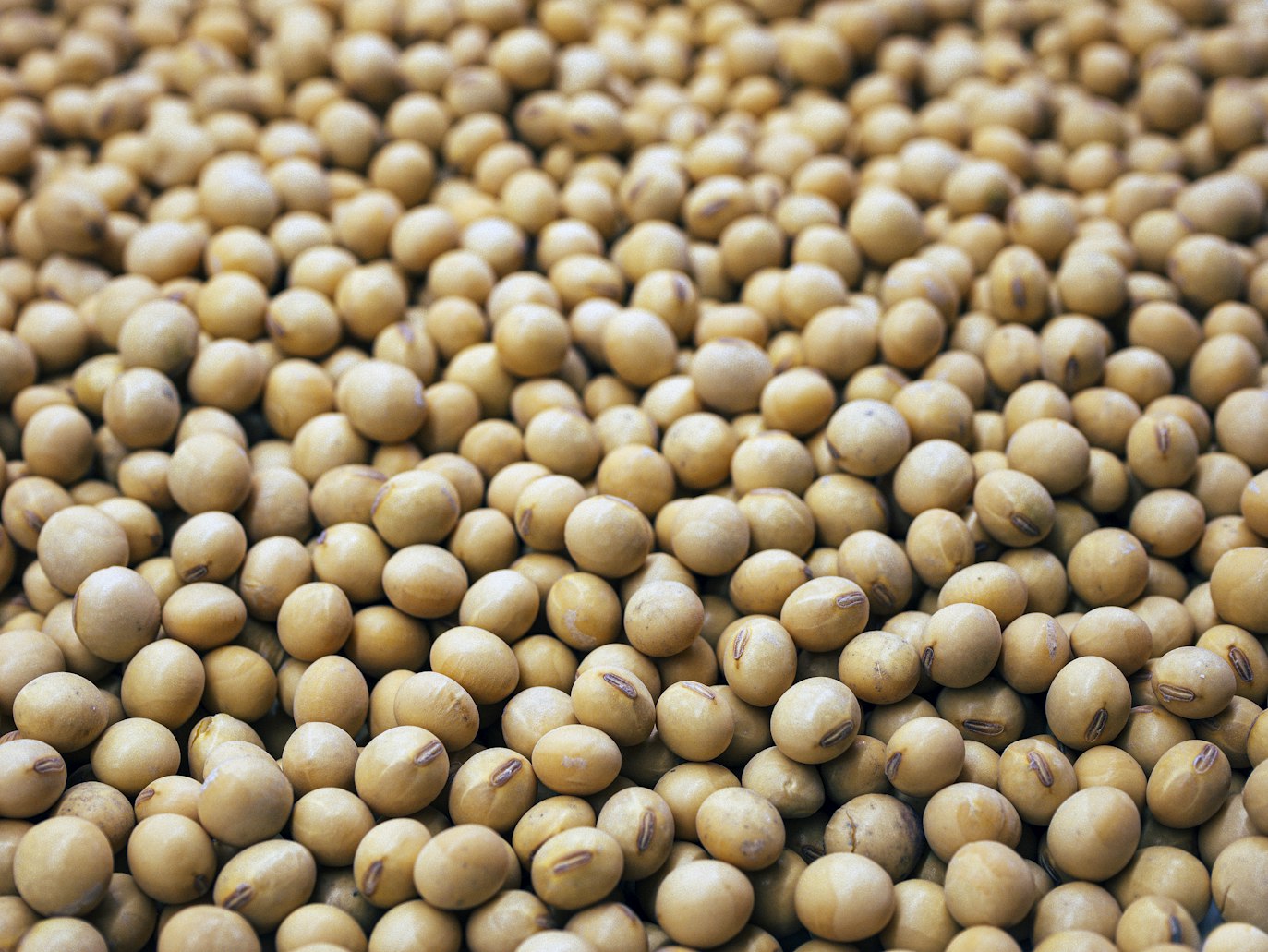
Soy is not toxic but can cause digestive issues in some dogs, particularly when introduced suddenly. Many soy products contain added salt, garlic, onion, or flavourings that are not suitable for dogs. Whole cooked soybeans are safer than heavily processed forms. If feeding tofu or soy mince, choose plain versions with minimal ingredients. Some dogs may also develop food sensitivities over time, so rotate protein sources.
Important: We do our best to ensure the information on this page is accurate and based on reputable animal health sources. However, this website is intended for general informational purposes only and the content has not been individually reviewed or approved by a veterinarian.
Every dog is different and reactions to foods can vary. If you have concerns about your dog’s diet or health, it is always best to speak with a qualified veterinarian.
If you believe any information on this page is incorrect or outdated, please let us know via our Contact Us page so we can review and update it.
Here are answers to some of common questions that dog owners ask about this food's safety and nutrition
Dogs should not eat soy every day unless it is part of a balanced commercial diet formulated with soy. Feeding additional soy regularly may increase the chance of digestive upset or sensitivities. Small occasional portions of plain soy are usually tolerated, but variety in protein sources is generally better. If your dog already eats food containing soy, extra servings are unnecessary.

The amount of soy a dog can eat depends on size and tolerance. Start with a very small portion and gradually increase only if there are no digestive issues. For most dogs, a tablespoon or less is enough as an occasional addition. Avoid processed soy products that contain salt or flavourings. Keeping servings modest helps reduce the risk of bloating or allergic reactions.
If your dog eats too much soy, they may develop gas, diarrhoea, or mild stomach discomfort. Offer fresh water and avoid giving additional rich foods that day. Symptoms are usually mild and pass on their own, but persistent vomiting or severe diarrhoea should be checked by a vet. If the soy product contained seasoning such as garlic or onion, seek advice promptly as those ingredients can be harmful.
Puppies require highly digestible proteins to support growth, and soy may not be ideal for all young dogs. While not harmful in small amounts, it can cause gas or loose stools in sensitive puppies. Because puppies are still developing, it is best to focus on balanced puppy specific diets. If soy is introduced, start with a tiny amount and watch for any reaction. Many breeders avoid soy early on to reduce the chance of food sensitivities forming.
Small dogs can be more sensitive to soy related digestive upset. Even a small portion may lead to bloating or soft stools. Because their calorie needs are lower, soy should only be given sparingly. Plain cooked soybeans are preferable to processed soy foods which may contain salt or additives. If your small dog has a history of food sensitivities, it may be best to avoid soy altogether and use simpler protein options.
Senior dogs sometimes benefit from variety in protein sources, but soy should be introduced cautiously. Older dogs may have slower digestion and may not tolerate legumes well. Gas or mild stomach upset can occur, particularly if soy is new to their diet. Choose soft, well cooked soybeans and keep portions small. If your senior dog has thyroid concerns or food allergies, consult your vet before including soy regularly.
Soy is moderate in calories and can contribute to excess intake if fed too often. While it does provide protein and fibre, it should not replace lower calorie treats for overweight dogs. Some dogs may also experience bloating which can reduce activity levels. If used at all, keep portions minimal and consider mixing a small amount into a balanced meal. Lean proteins and vegetables are usually better suited for weight management.
