
Yes. Beef liver is safe for dogs when fed in small amounts. It is very rich in vitamin A so too much can lead to toxicity over time, therefore portions must stay limited.
Last updated:
March 26, 2026
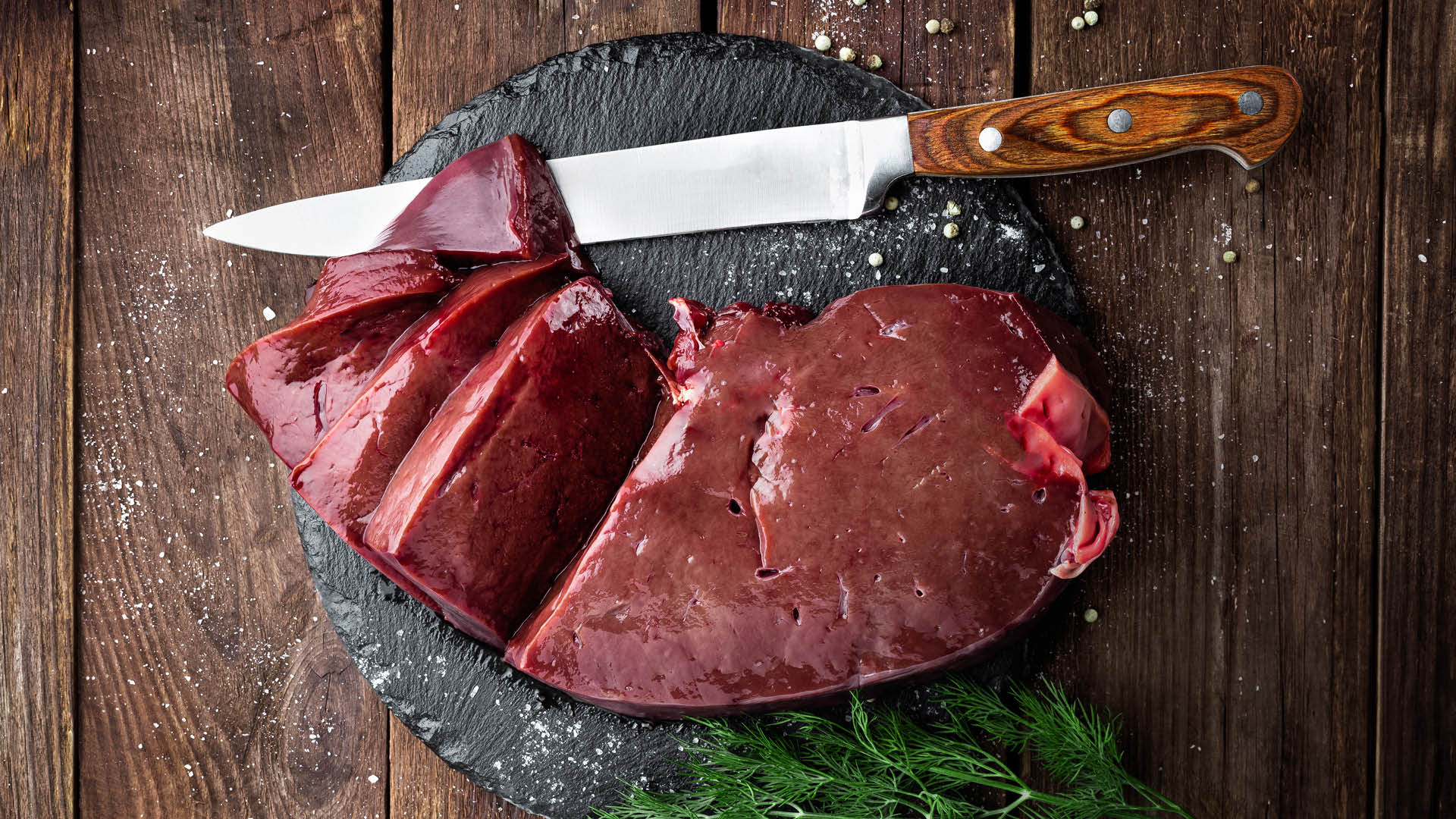
Feed only in small amounts because liver is extremely concentrated in vitamin A. Avoid feeding daily. Introduce slowly to prevent digestive upset. Balance with a complete diet rather than replacing meals. Freeze dried liver treats (including the chicken variety) should still count toward total intake. Dogs on prescription diets or with liver disease should only have it if advised by a veterinarian. Some owners use tiny liver pieces for recall training which works well but portions must still be tracked. Other popular training treats include cooked chicken skin, crispy salmon skin and smoked salmon. Do not serve beef liver with additional ingredients that are harmful to dogs, including garlic or onion.
Important: We do our best to ensure the information on this page is accurate and based on reputable animal health sources. However, this website is intended for general informational purposes only and the content has not been individually reviewed or approved by a veterinarian.
Every dog is different and reactions to foods can vary. If you have concerns about your dog’s diet or health, it is always best to speak with a qualified veterinarian.
If you believe any information on this page is incorrect or outdated, please let us know via our Contact Us page so we can review and update it.
Here are answers to some of common questions that dog owners ask about this food's safety and nutrition
Dogs can eat beef liver every day only in very tiny quantities, but it is generally better offered a few times per week. Daily feeding increases the risk of excess vitamin A which may lead to long term health issues. Using it occasionally as a nutrient boost or training reward is safer and still provides benefits.

The amount of beef liver depends on your dog’s size and overall diet. Most dogs only need a small portion once or twice weekly because the nutrient content is concentrated. Start with very small pieces and adjust based on tolerance while ensuring it does not exceed about 5 percent of total weekly food intake.
If your dog eats too much beef liver, watch for vomiting, diarrhoea or unusual lethargy over the next day. Large or repeated overconsumption can contribute to vitamin A overload, particularly if it happens often. Offer plenty of water, return to a balanced diet and contact your veterinarian if symptoms appear or if a large quantity was consumed.
Puppies grow quickly and excess vitamin A can interfere with normal bone development. While small pieces of beef liver can be useful as a high value reward during early training, it should never become a regular daily addition. Keep portions very small and avoid combining with other organ meats in the same week. Because puppies have sensitive stomachs, introduce gradually and watch stool consistency. Use it sparingly alongside a balanced puppy formula to maintain proper nutrient ratios.
Small dogs receive a high nutrient load from even tiny servings of beef liver. A cube the size of a fingernail can be enough for toy breeds. Too much may quickly cause loose stools or excessive vitamin intake. Chop finely or crumble cooked liver to distribute it across several rewards. Many small dog owners use dehydrated liver pieces which should still be limited. Rotate with leaner treats to avoid overloading micronutrients.
Senior dogs may benefit from the iron and B vitamins in beef liver, particularly if appetite is declining. However older dogs can also have reduced liver function, making moderation important. Offer very small amounts and avoid feeding on consecutive days. Soft cooked liver can be easier for seniors with dental issues. If your dog has a history of pancreatitis or metabolic disease, check with your vet before including organ meats.
Beef liver is relatively low in fat but still calorie dense when used frequently as treats. For overweight dogs, use extremely small portions and subtract them from daily treat allowance. Because liver is highly palatable, it can encourage overeating if freely available. Consider mixing tiny pieces with lower calorie vegetables during training. This keeps reward value high without significantly increasing daily energy intake.
