
No. Tomato soup is not safe for dogs because it commonly contains onion, garlic, salt and sometimes cream. These ingredients can cause digestive upset or toxicity. Even small amounts from a bowl or spoon should be avoided
Last updated:
March 25, 2026
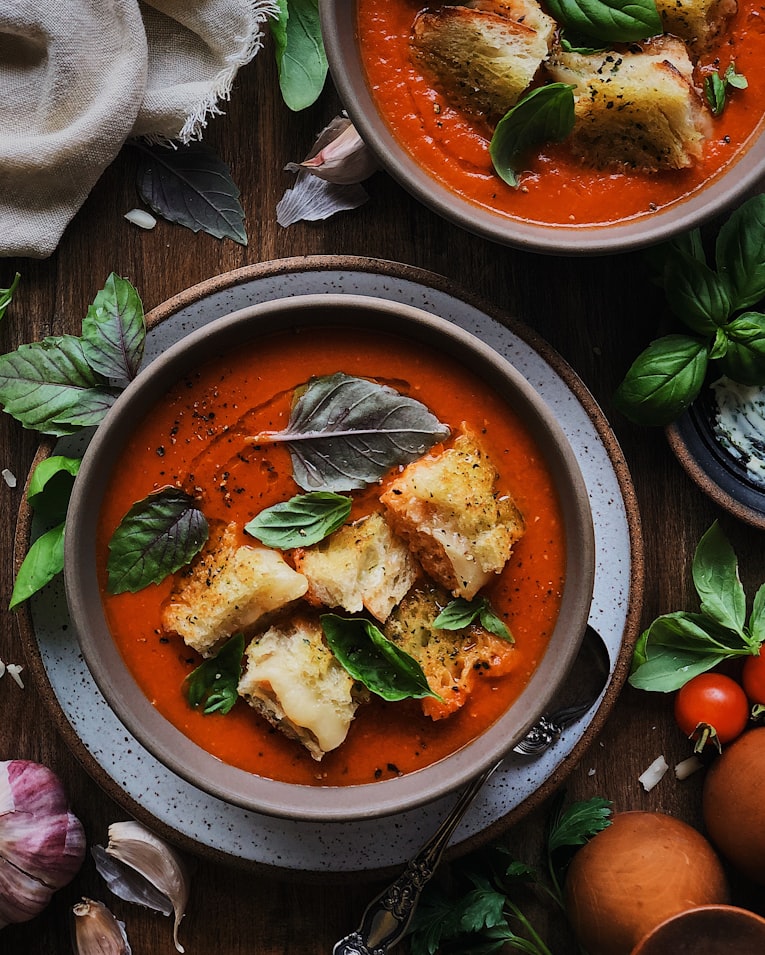
Like tomato sauce, most tomato soups contain onion or garlic which are toxic to dogs. Many also include salt, cream, butter or stock powders (like beef or chicken) that increase sodium and fat content. Even small servings can upset digestion, especially in smaller dogs. Canned soups are particularly concentrated and may contain additives. Dogs often lick soup spills from the floor, so clean up quickly after serving. Plain blended tomatoes without seasoning are safer if you want to offer a tomato based treat.
Important: We do our best to ensure the information on this page is accurate and based on reputable animal health sources. However, this website is intended for general informational purposes only and the content has not been individually reviewed or approved by a veterinarian.
Every dog is different and reactions to foods can vary. If you have concerns about your dog’s diet or health, it is always best to speak with a qualified veterinarian.
If you believe any information on this page is incorrect or outdated, please let us know via our Contact Us page so we can review and update it.
Here are answers to some of common questions that dog owners ask about this food's safety and nutrition
Dogs should not eat tomato soup every day. Most recipes contain onion, garlic, salt or dairy which are unsuitable for regular consumption. Even small daily amounts could build up and lead to digestive upset or more serious effects. If you want to offer tomato, use plain ripe tomato pieces without seasoning rather than prepared soup.

There is no safe amount of tomato soup for dogs due to the variability in ingredients. A small accidental lick is usually not serious, but larger quantities increase the risk of toxicity or stomach upset. Because canned and homemade soups differ widely, it is best not to offer any intentionally. Always check ingredients and keep soup bowls out of reach.
If your dog drinks too much tomato soup, remove access and provide fresh water. Watch for vomiting, diarrhea, lethargy or pale gums, particularly if the soup contained onion or garlic. Contact your veterinarian if symptoms appear or if a large amount was consumed. Keep the packaging so ingredients can be reviewed. Early advice is helpful when seasoned foods are involved.
Puppies are especially sensitive to seasoned foods like tomato soup. Their small size means even a few licks can expose them to onion or garlic in meaningful amounts. High sodium can also upset hydration balance. Because puppies are curious around mealtimes, they may try to drink from bowls left on low tables. Cleaning up spills promptly and keeping soups out of reach helps reduce risk. It is safer to offer plain puppy appropriate foods rather than mixed recipes with multiple ingredients.
Small dogs are at greater risk if they consume tomato soup because the dose of onion, garlic or salt relative to body weight is higher. Even a tablespoon from a dropped spoon can be significant. Cream based soups may also cause loose stools or vomiting. Since small breeds often sit close during meals, supervision is important. Offering safe vegetables instead of sharing soup prevents accidental exposure and keeps their diet more balanced.
Senior dogs may have underlying heart, kidney or digestive issues that make high sodium or fatty foods problematic. Tomato soup often contains both. Even mild dehydration from salt can be more noticeable in older pets. Onion and garlic exposure may also be harder for seniors to recover from. If an older dog drinks soup accidentally, observe for subtle changes such as reduced appetite or low energy. Contact a veterinarian if symptoms appear.
Tomato soup is not appropriate for overweight dogs because it often contains added cream, butter or sugar. These increase calories without providing balanced nutrition. Liquid foods are also easy to overconsume, especially if a dog laps from a bowl. For dogs on a weight management plan, stick to low calorie vegetables instead. Avoid using soup to encourage eating as it may add unnecessary energy to meals.
Tomato soup is unsafe because of common added ingredients rather than the tomato itself. Onion and garlic can damage red blood cells in dogs and may lead to anemia. High sodium levels in canned or packet soups can cause dehydration and electrolyte imbalance. Cream or butter in some recipes increases fat content which may trigger pancreatitis. Since ingredient combinations vary, avoiding tomato soup entirely is the safest approach.
